
Graduate Students

Subfield: Medical Sociology, Reproductive Justice, Family, Gender and Sexuality, Social Stratification, Ethnography, Qualitative Methodologies
Contact Information
Email: cmabel16@g.ucla.edu

Contact Information
Office: Haines A81
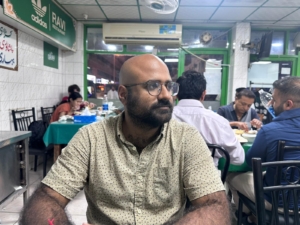
Subfield: Historical Sociology, Economic Sociology, Political Sociology, Middle East and North Africa, Singapore
Contact Information
Email: rohadvani@ucla.edu

Subfield: Gender, Development, Labor and Employment, Politics, Social Movements, Middle East and North Africa
Contact Information
Email: nadarama@ucla.edu

Subfield: Family, Race and Ethnicity, Demography, Immigration and Generational Acculturation
Contact Information
Email: nooramanullah@g.ucla.edu

Subfield: Race and Ethnicity, Quantitative Methods, Social Stratification and Mobility
Contact Information
Email: taquino7@g.ucla.edu
Office: Haines 228A

Contact Information
Email: ashby1@ucla.edu

Race, Ethnicity, and Empire; Health and Immigrant Justice; Law, Legal Regimes, and Legal Power; Carceral Studies and Abolition; South Asia and South Asian Diaspora
Contact Information
Email: prashastib@g.ucla.edu

Contact Information
Email: anumohanbiswas@g.ucla.edu

Subfield: Sociology of gender, political sociology, international migration, socialism and postsocialism, violence, comparative and historical sociology, ethnography
Contact Information
Email: nbluth@g.ucla.edu

Urban Sociology; Housing and Homelessness; Community-Engaged Research; Eviction; Law & Courtrooms; Policy
Contact Information
Email: bovik@g.ucla.edu

Subfield: Political Sociology, Political Economy, Development in Latin America, Social Movements and Collective Behavior.
Contact Information
Email: cbowleycastillo@ucla.edu
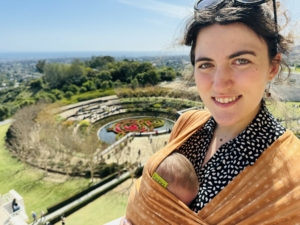
Subfield: Conversation Analysis, Medical Sociology, Death and dying, Patient-doctor communication
Contact Information
Email: ahc29@g.ucla.edu
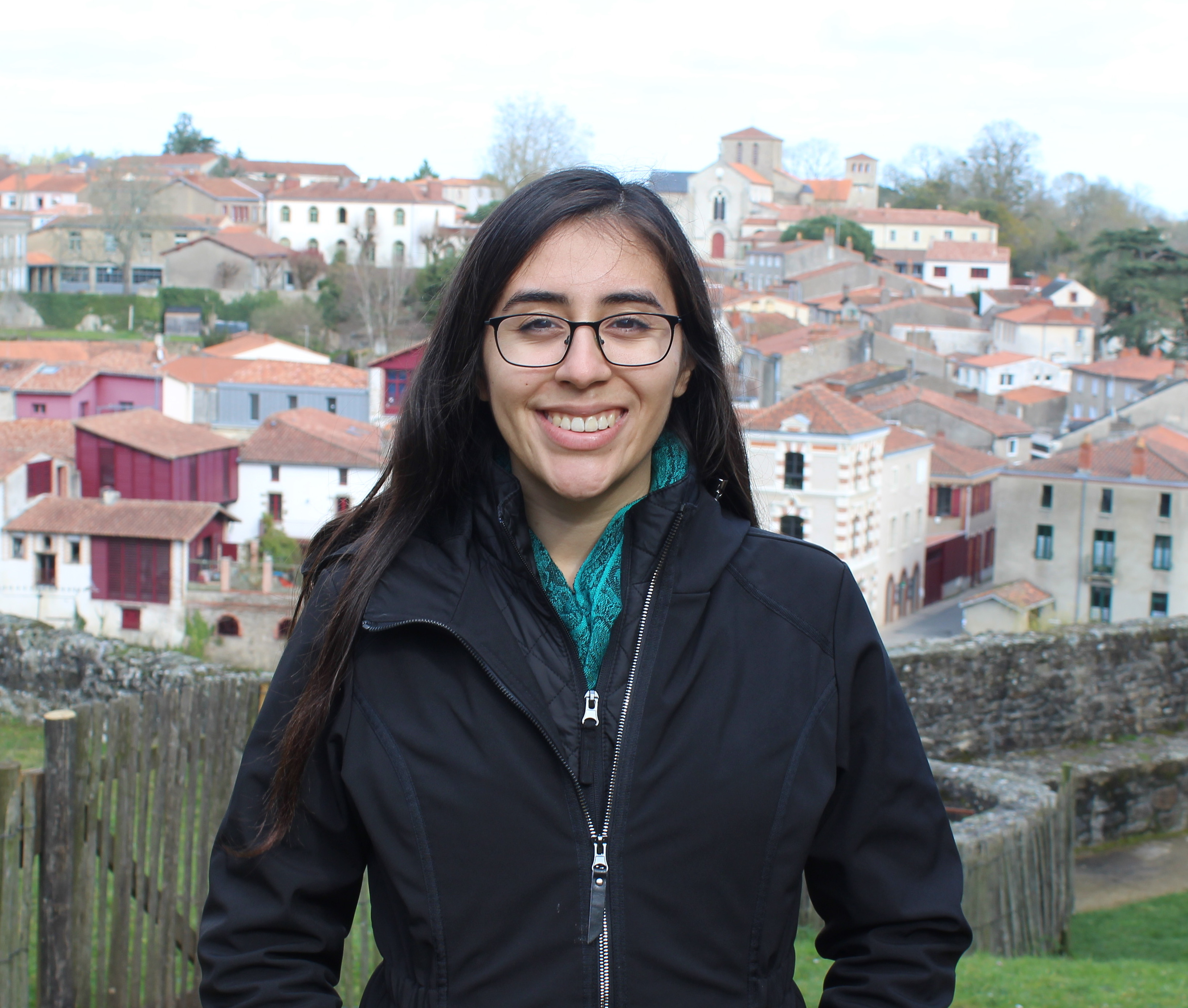
Subfield: Race and Ethnicity; Labor; Housing; Health; Inequality, Poverty, and Mobility
Contact Information
Email: yvonnecarrillo@ucla.edu

Gender, Race and Ethnicity, Education, Comedy
Contact Information
Email: rileyceperich@g.ucla.edu

Subfield: International Migration, Political and Global Sociology, Race & Ethnicity, Asia/Asia America, Qualitative Methods
Contact Information
Email: danchai@g.ucla.edu
Office: Haines A50

Subfields: Political Sociology, Organizations, Sociology of Religion, Social Theory, Conversation Analysis.
Contact Information
Email: achalfoun@g.ucla.edu
Office: A58F Haines Hall
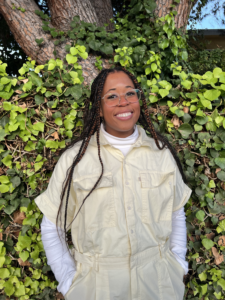
Contact Information
Email: lcheeks@g.ucla.edu

Gender & Sexuality | Race & Ethnicity | LGBTQ | Cultural Sociology | Urban Sociology | Institutions | Comparative & Historical Sociology | Oral History | Space & Community | Critical Geography | Global Cities | Theory
Contact Information
Email: cchica24@ucla.edu

Subfields: Family Sociology, Gender, Work and Family, Social Stratification, Social Demography, Labor and Employment, Caregiving and Inequality
Contact Information
Email: choah[at]ucla.edu
Contact Information
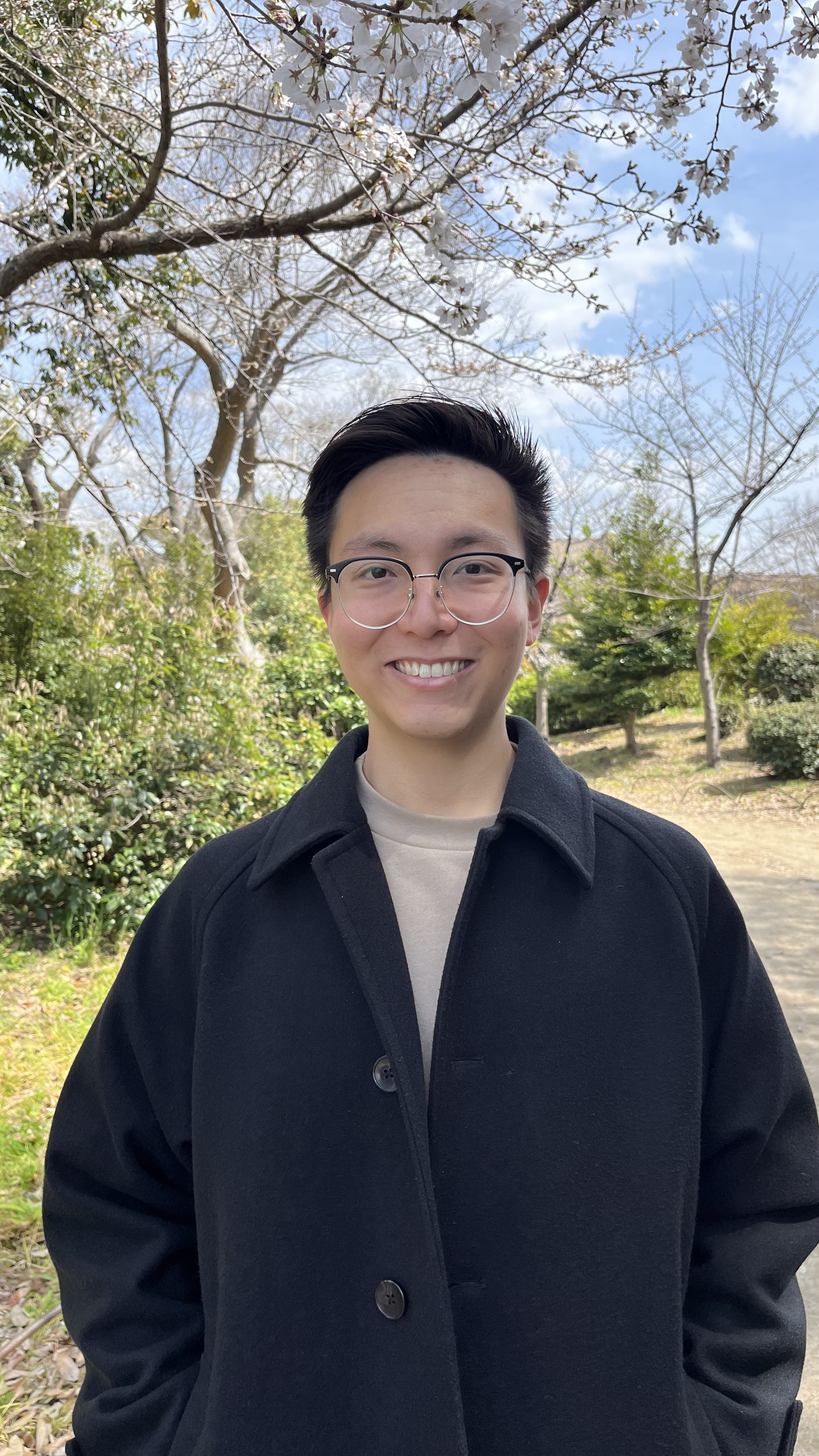
Subfield: Conversation Analysis, 911 Communications
Contact Information
Email: alvingchu@g.ucla.edu

Drug Use & Harm Reduction; Poverty Governance; Necro & Biopolitics; Medical Sociology; Science & Technology Studies; Labor
Contact Information
Email: jcontino@g.ucla.edu

Subfield: Political Sociology, Sociology of Development, International Migration, Middle East and North Africa, Latin America, Mixed Methods
Contact Information
Email: roxannecorbeil@g.ucla.edu

Development and Societal Change, Rural Sociology, States and Institutions, Sociology of Culture and Knowledge, Political Economy
Contact Information
Email: mikedc@ucla.edu

Subfields: Gender & Sexuality, Family, Social Stratification & Mobility, Work & Occupations, Public Policy, Mixed Methods
Contact Information
Email: mcowhey@g.ucla.edu
Contact Information
Email: ccrooke@g.ucla.edu

Subfield: Political Economy, Political Sociology, Economic Sociology, Technology, Climate Change
Contact Information
Email: ecui@ucla.edu

Subfield: Sociology of Medicine, Sociology of Gender, Ethnography, Health Inequalities
Contact Information
Email: idelmastro@ucla.edu

Subfield: Race & Ethnicity, Gender, Labor, Political Sociology.
Contact Information
Email: ravendev@g.ucla.edu

Subfield: Computational Sociology, Social Stratification and Inequality, International Migration
Contact Information
Email: duyanji@g.ucla.edu

Subfield: Cultural sociology, family sociology, social stratification, gender, mixed methods.
Contact Information
Email: actonfeng96@ucla.edu

Subfield: International Migration, Immigrant Organizations, Latin America, South-South Migration, Immigrant Access to Rights
Contact Information
Email: vfloegel@g.ucla.edu
Office: 253B Haines Hall

Subfield: Gender, Social Demography, Family
Contact Information
Email: hflowers@g.ucla.edu
Office: A56 Haines Hall

Subfields: Conversation Analysis, Medical Sociology, Ethnography
Contact Information
Email: sfrock@g.ucla.edu

Subfield: Political Sociology, Social Movements and State Building, Middle East Politics, Qualitative Methods, Ethnography
Contact Information
Email: simasghaddar@g.ucla.edu
Office: A83 Haines Hall

Subfield: Race & Ethnicity, Social Psychology, Family.
Contact Information
Email: dmgoodwin@g.ucla.edu
Office: A56 Haines Hall

Subfields: Urban Sociology, Social Movements, Comparative Historical Sociology
Contact Information
Email: ajhatcher@ucla.edu

Subfield: Political Sociology, Sociology of Culture, Race and Ethnicity, Tourism, Caribbean Studies
Contact Information
Email: j.hernandezperez@ucla.edu

Subfield: Gender, Family, Organizational Analysis, Military and Veterans, Content Analysis, Visual Analysis, Marketing and Media, Social Media, Conversation Analysis, Survey Research
Contact Information
Email: jhuerta@ucla.edu
Subfield: Organizations, Urban Sociology, Computational Methods, Stratification
Contact Information
Email: lcjacobson@ucla.edu

Subfield: Social Stratification & Inequality, Social Demography, Statistics & Data Science, and U.S. & East Asia
Contact Information
Email: njeon@ucla.edu
Office: Haines 228

Subfield: Political Sociology, Comparative-Historical Sociology, Cultural Sociology, Collective Memory, War and Violence, Post-Conflict State-Building, Gender and Family
Contact Information
Email: cy.ji@ucla.edu
Office: Haines A83

Subfield: Comparative Historical Sociology, Organizations, Economic Sociology
Contact Information
Email: ijilber1@ucla.edu

Subfield: Sociology of the family, Women's health, Social safety net policies, Demographic and qualitative methods
Contact Information
Email: sjohnsen@ucla.edu
Office: 105 Haines Hall

Contact Information
Email: hannajun@ucla.edu
Subfield: Medical Sociology, Mental Illness, Suicide, Ethnography
Contact Information
Email: rkaufmanr@g.ucla.edu

Subfield: Social Network Analysis, Sociology of Culture, Economic Sociology, Ethnography, Political Polarization
Contact Information
Email: kcunningham1891@ucla.edu

Subfield: Computational Social Science, Cultural Sociology, Social Networks
Contact Information
Email: akonishi@ucla.edu

Subfield: Race & Ethnicity; Social Movements; Qualitative Methods
Contact Information
Email: seraskwon@g.ucla.edu

Environmental Sociology; Political Sociology; Rural Sociology; Qualitative Methods; Resource Extractive Industry
Contact Information
Email: gregory.m.kyle@ucla.edu

Subfield: Social Demography, International Migration, Family, Quantitative Methods
Contact Information
Email: yxli@g.ucla.edu

Subfield: Demography, Immigrants' Economic Assimilation, Social Stratification and Mobility, Occupations, Quantitative Methods
Contact Information
Email: ktliao@g.ucla.edu

Contact Information
Email: madisoncliao@g.ucla.edu
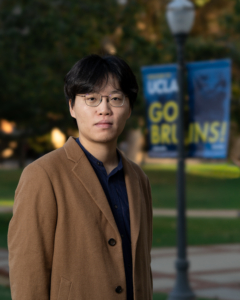
Contact Information
Email: pclin@ucla.edu

Subfield: International Migration, Race and Ethnicity, Ethnography
Contact Information
Email: mlopez2@g.ucla.edu

Subfield: Race, gender, and class; Latina/x sociology; Education; Inequality/Mobility; Disability in Society; Legal Violence
Contact Information
Email: slopezcolorado@g.ucla.edu

Contact Information
Email: keatonlund@g.ucla.edu

Subfield: Urban Sociology, Housing and Homelessness, Ethnographic and Mixed Methods, Community-Engaged Research, Public Policy.
Contact Information
Email: sal2176@ucla.edu
Office: Haines Hall A52
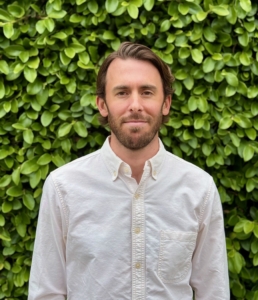
Subfield: Sociology of Climate Change, Political Sociology, Environmental Sociology, Urban Sociology, Environmental Justice, Qualitative Methods
Contact Information
Email: dmalmuth@ucla.edu

Subfield: Critical Gang Studies; Material Scarcity; Social Violence; Hyper-Incarceration; Ethnography; Theory
Contact Information
Email: jdmancillas@ucla.edu
Office: 111 Haines Hall
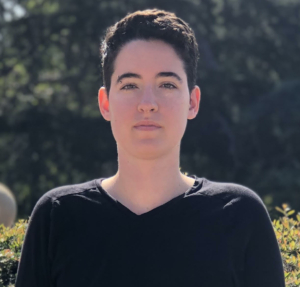
Subfields: Economic Sociology, Political Sociology, Organizations
Contact Information
Email: mmarinello@g.ucla.edu

Conversation Analysis, Food Talk
Contact Information
Email: lor@ucla.edu
Contact Information
Email: cmatthews01@ucla.edu
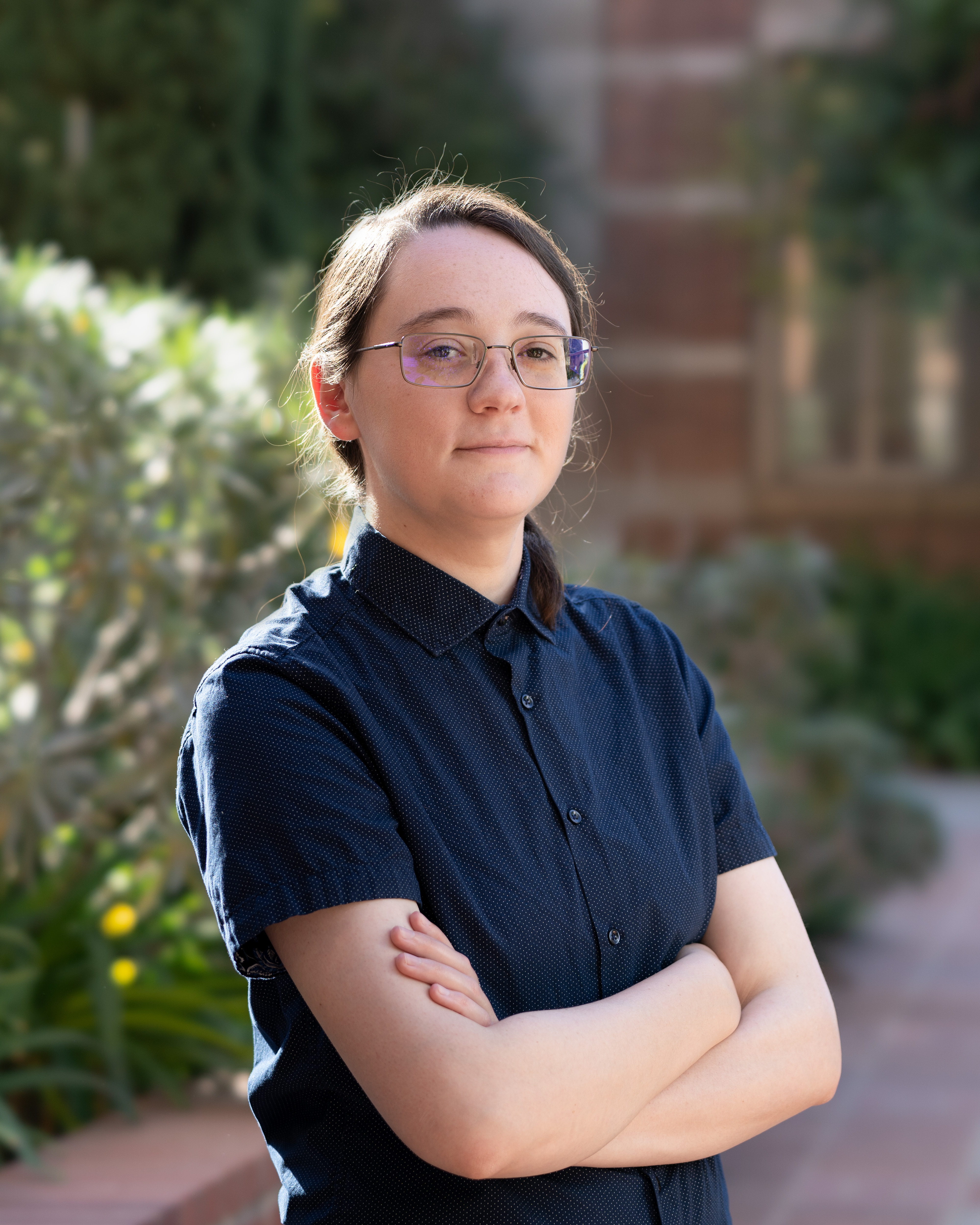
Subfields: Law; Health and medicine; Conversation analysis; Computational methods
Contact Information
Email: brmckenna@ucla.edu

Subfield: Race/Ethnicity, Gender, Ethnography, Education, Black Girlhood Studies, Black Feminisms, Carcerality, Abolition
Contact Information
Email: pharrenmiller@ucla.edu

Conversation Analysis, Sociology of Technology, Interpersonal Communication, Mixed Methods
Contact Information
Email: amandamorris@g.ucla.edu

Subfield: Social Stratification and Mobility; Education; Race
Contact Information
Email: jcmurph@g.ucla.edu

Subfield: Sociology of the Family, Gender and Sexuality, Sexual Violence, Domestic Violence, Experimental Methods
Contact Information
Email: ninanaffziger@g.ucla.edu

Subfields: Political Sociology, Organizational Sociology, Theory
Contact Information
Email: dng0@g.ucla.edu
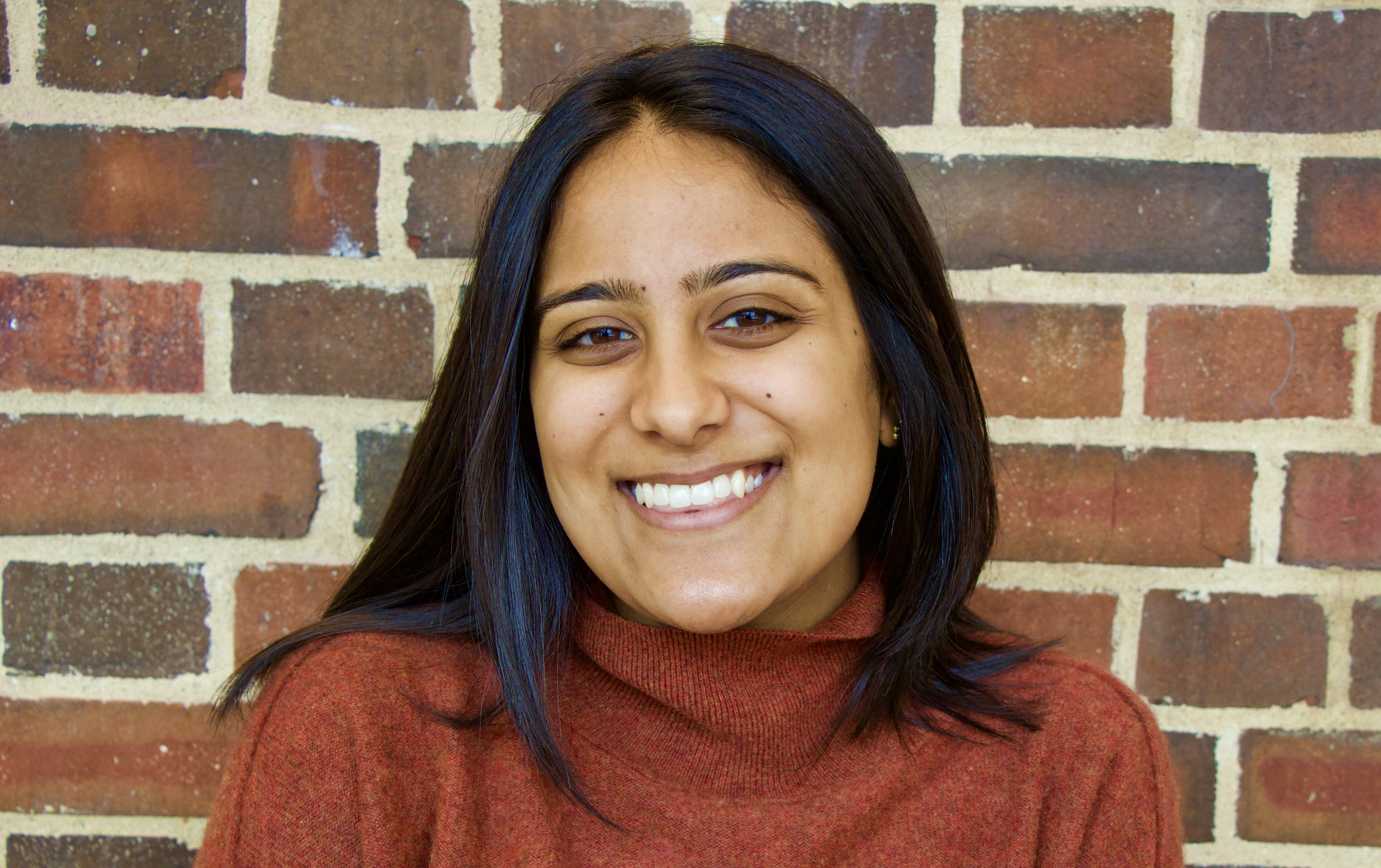
Contact Information
Email: anoushkap98@g.ucla.edu
Subfields: Computational Sociology, Social Stratification and Social Mobility, Race and Ethnicity
Contact Information
Email: ianaperez@g.ucla.edu

Subfields: Computational Sociology, Political Sociology, Digital Humanities, Political Communication
Contact Information
Email: spreising@g.ucla.edu

Contact Information
Email: joselyne@ucla.edu

Subfield: Political Sociology; Comparative-Historical Sociology; War & Armed Conflict; Elections; Gender
Contact Information
Email: acoopersmith@ucla.edu

Subfield: Computational Sociology, Economic Sociology, Labor, Work, Technology
Contact Information
Email: vivekr@ucla.edu
Contact Information
Email: mgramsy@ucla.edu

Subfield: Gender and Work, Sexual Harassment, Medical Sociology
Contact Information
Email: mer294@g.ucla.edu

Subfields: Comparative-Historical; Race & Ethnicity; Gender; Reproductive Care and Politics; Inequality; Distribution, Maintenance, and Protection of Power
Contact Information
Email: cvreilly20@ucla.edu

Contact Information
Email: iriverav@g.ucla.edu

Subfields: Political Sociology; Sociology of Science, Technology and Knowledge; Global Sociology; Labor; Taiwan
Contact Information
Email: samrobbins97@g.ucla.edu
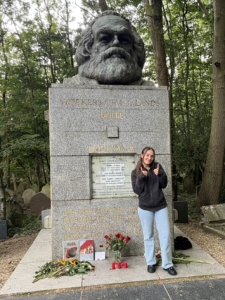
Subfield: Political Violence and War; Conflict-related Sexual Violence; Political Sociology; Organizational Sociology; Comparative-Historical Sociology
Contact Information
Email: joellerosenberg@g.ucla.edu

Subfield: Social Stratification & Mobility; Education; Demography
Contact Information
Email: shivarouhani@ucla.edu

Subfield: Ethnography, Medical Sociology, Historical Sociology, Sociology of Science, Indigenous Methodology, Trauma
Contact Information
Email: hsagaskie@ucla.edu

Subfield: Race & ethnicity, international migration, second-generation Asian diaspora, identity and culture
Contact Information
Email: nidas@ucla.edu
Contact Information
Email: duranasaydee@ucla.edu

Subfield: Medical Sociology, Mixed Methods
Contact Information
Email: wschupmann@ucla.edu

Subfield: Cultural Sociology, Consumption, Environmental Sociology, Ethnography, Mixed-Methods Research, Food Studies
Contact Information
Email: afshu@g.ucla.edu
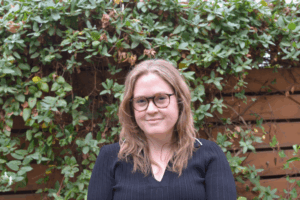
Subfield: Urban sociology, organizations, housing, local governance, qualitative methods
Contact Information
Email: ksmock@ucla.edu
Office: 111 Haines Hall

Subfield: Social Stratification and Mobility; Social Demography; Sociology of Education; Quantitative Methods; Survey Methodology
Contact Information
Email: tbz@ucla.edu

Subfield: Environmental Sociology, Climate Mobilities, Disasters, Displacement, Qualitative Methods
Contact Information
Email: natinoco@ucla.edu

Subfields: Sociology of health and medicine, cultural sociology, social inequality, mixed methods, evaluation science
Contact Information
Email: ntoledom@ucla.edu

Subfield: Urban Sociology, Race and Ethnicity, Community Policing, Redevelopment, Historical Methods
Contact Information
Email: vlt6cp@ucla.edu
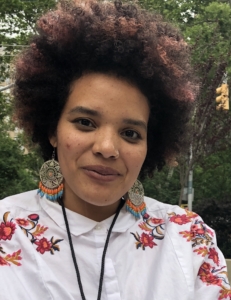
Subfield: Decolonial Feminisms, Black Feminisms, Latinx Feminisms, Race and Ethnicity, Gender, Qualitative methods, Public Policy, Archival Methodology, the Caribbean and Latin America, Spanish Language Interpretation and Translation
Contact Information
Email: jenniferuribe@g.ucla.edu

Contact Information
Email: amv23@g.ucla.edu
Contact Information
Email: gracevu@g.ucla.edu

Political sociology, comparative-historical sociology
Contact Information
Email: jweinger@ucla.edu
Office: Haines Hall A58D
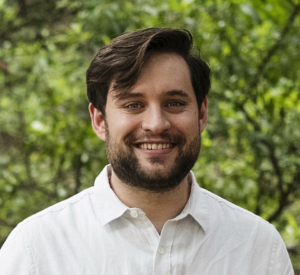
Subfield: Political sociology, economic sociology
Contact Information
Email: gwenig@ucla.edu

Subfield: Computational methods; technology studies; sociology of knowledge; sociology of science
Contact Information
Email: cwilmot@ucla.edu
Office: Haines A58-C

Subfield: Political Sociology, Economic Sociology, Comparative Historical Sociology, Development, Socialist and Post-Socialist States, Welfare, Labor, Disability
Contact Information
Email: sandyxu@ucla.edu

Contact Information
Email: hsiuyu@ucla.edu

International Migration; Globalization & Technology; Labor & Skills; Qualitative Methods
Contact Information
Email: yiranyu@g.ucla.edu

Subfield: Mixed Methods, Organizations, Economic Sociology, Science & Technology Studies, Food Policy
Contact Information
Email: zahirmona@g.ucla.edu

Subfields: Science and Technology Studies, Computational Sociology
Contact Information
Email: szhang19@g.ucla.edu

Subfield: Aging and Life Course, Technology, Culture, Ethnography, Mixed Methods, Temporality
Contact Information
Email: kaitingzhou13@g.ucla.edu
Office: A56 Haines Hall
Subfield: Political Sociology, Science and Technology Studies
Contact Information
Email: zshibing@g.ucla.edu

Subfield: Political sociology, economic sociology, infrastructure, development, qualitative methods
Contact Information
Email: andreazhu@g.ucla.edu